Safe Summer Starts Here
A few simple steps can help you stay healthy all season long
June 9, 2026

Summer means more time outside, longer days, vacations, barbecues and weekends at the beach. But higher temperatures, stronger sun and more outdoor activity can also increase your risk for dehydration, heat illness, sunburn, injury and more.
The good news? A safe summer doesn’t require a major lifestyle change. A few simple habits can help you enjoy the season while protecting your health.
Don’t Ignore the Heat
Hot weather can affect anyone, especially older adults, young children and people with chronic conditions like heart disease or diabetes.
Signs of heat exhaustion can include:
- Dizziness
- Headache
- Nausea
- Heavy sweating
- Muscle cramps
- Fatigue
If symptoms worsen or include confusion, fainting or trouble breathing, it could be heat stroke, which is a medical emergency.
One of the best ways to protect yourself is to stay ahead of dehydration before you feel thirsty. Drink water consistently throughout the day, especially if you are spending time outside or being active.
Protect Yourself From the Sun
Too much sun exposure doesn’t just lead to painful sunburns. Over time, it increases your risk for skin cancer and premature aging.
Before heading outdoors:
- Apply broad spectrum sunscreen with SPF 30 or higher
- Reapply every two hours, especially after swimming
- Wear sunglasses and lightweight protective clothing
- Try to avoid direct sun during peak afternoon hours
Even cloudy days can lead to sun damage, so protection still matters.
Be Smart Around Water
Whether you're at the pool, beach or out on a boat, a few simple precautions can help prevent accidents and keep everyone safe.
Never swim alone and keep a close eye on children near water, even for a moment. And remember, alcohol and heat together can increase dehydration and exhaustion faster than many people realize.
Watch for Summer Injuries
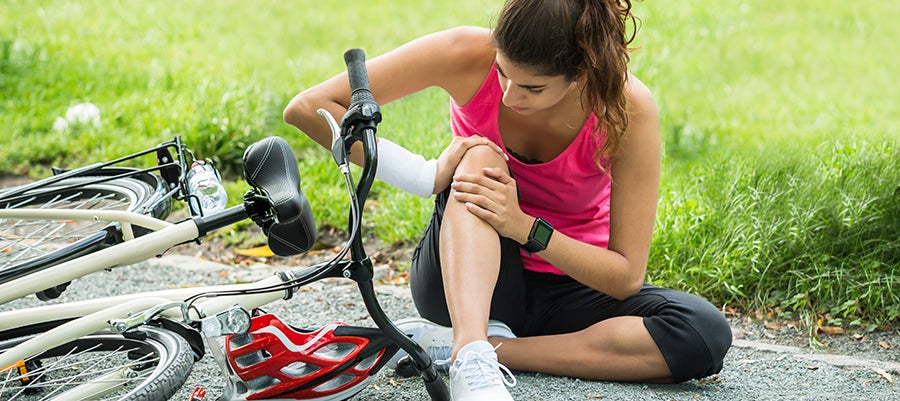
Summer activities often lead to cuts, sprains, burns and other injuries. From backyard grilling to outdoor sports, small accidents can quickly interrupt the season.
A few ways to lower your risk:
- Stretch before physical activity
- Wear proper footwear outdoors
- Use caution when grilling or handling fireworks
- Keep a basic first aid kit nearby
Don’t Wait to Get Care
Sometimes symptoms that seem minor can become more serious if ignored. If you experience chest pain, trouble breathing, signs of heat stroke or sudden neurological symptoms like facial droop or slurred speech, seek emergency care immediately.
For less serious illnesses and injuries, AtlantiCare Urgent Care offers convenient treatment for conditions such as minor injuries, burns, dehydration and other non-emergency concerns.
A little preparation can go a long way. By staying hydrated, protecting yourself from the sun and knowing when to seek care, you can help keep summer safe, healthy and enjoyable for the whole family.
Related Articles
 Featured
5 Everyday Habits That May Be Hurting Your Heart
Life Doesn't Wait. Know Where to Go.