The Stuff That Happens When You’re Stuffed
Digging Into “Food Comas”
November 5, 2026
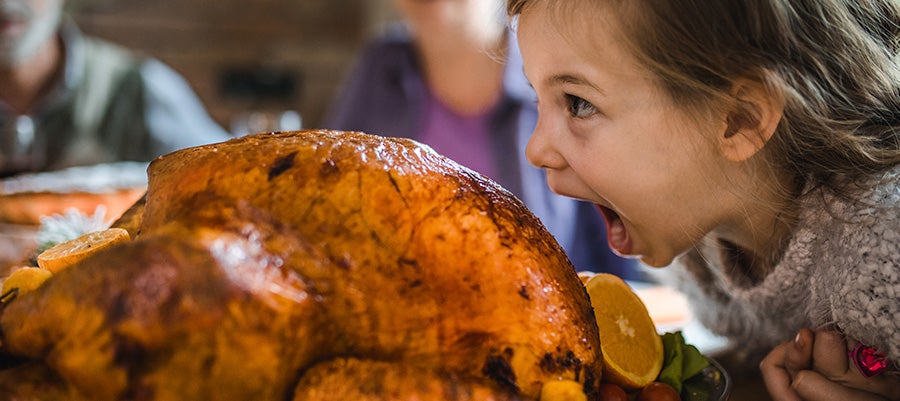
Happy Thanksgiving! From reconnecting with loved ones to the start of the holiday season, there’s plenty to look forward to this time of year. But there’s one thing about Thanksgiving that we tend to look forward to the most: food, and lots of it!
Food fuels our bodies, especially when our diet is full of variety – so you’d think that a big, diverse Thanksgiving spread would give you the kind of energy you’d need to, say, score a touchdown or run the length of a parade route. But more often than not, the only thing you feel like doing after finishing your Thanksgiving platter is taking a nap.
Enter the “food coma.” Far from an actual medical emergency, this term is used to describe that sleepy, sluggish feeling you get after a big meal. Of course, food comas aren’t exclusive to Thanksgiving – you might notice the effect after any larger or higher-calorie meal – but Thanksgiving is the poster child for that post-meal lull. But why do our bodies respond this way?
Is the Bird to Blame?
Yes, there really is something in turkey that can make you sleepy. Turkey has an amino acid in it called tryptophan, which your body uses to make serotonin and melatonin. Serotonin helps regulate mood and other functions, while melatonin plays an important role in your sleep-wake cycle.
But when it comes to your Thanksgiving food coma, it’s probably not the main culprit. The amount of tryptophan you get from a typical serving of turkey isn't enough to send you to the sofa for a snooze. Plus, tryptophan isn't just a “turkey thing.” It's also found in foods like chicken, fish, eggs, dairy products and nuts. So if your scrambled eggs aren’t sending you back to bed in the morning, chances are your drumstick isn’t to blame for your sleepiness, either.
Your Digestive System at Work
The real reason Thanksgiving dinner makes you feel so tired?
When you eat any meal, no matter the size, your digestive system gets to work breaking food down into smaller components that your body can absorb and use for energy, growth and repair. This means that, when you’re gathering at the table to give thanks, your digestive system is clocking in for a very busy shift.
There are a lot of moving parts involved with this process – literally. Your stomach stretches to accommodate the meal, while your intestines continue processing nutrients. A large meal can leave you feeling sleepy, and alcoholic drinks can add to that drowsiness.
Long story short, your post-dinner snooze probably has more to do with the whole feast than the turkey alone.
Enjoying the Food Without the “Coma”
The good news is that you may be able to reduce that sleepy feeling this Thanksgiving without sacrificing your favorite dishes. Some tips:
- Pay attention to portions. Start with a reasonable serving and give yourself time to decide whether you're still hungry before going back for seconds.
- Eat (and drink) at a comfortable pace. Slowing down can help you recognize when you're getting full. The same goes for alcoholic beverages, which can make you feel drowsy.
- Balance your plate. Enjoy your favorite holiday foods alongside vegetables and other nutrient-rich options.
- Stay hydrated. Water is a helpful addition to your meal and throughout the day.
- Get moving afterward. A gentle walk after dinner can help you feel more refreshed and support digestion.
The bottom line: Thanksgiving is meant to be enjoyed, and it’s alright to indulge a little during the holidays – even when you’re trying to avoid the call of the couch. So put on your stretchy pants, grab a slice of pie and relax. Your body will take care of the rest!
Related Articles

Supporting Someone With Post-Traumatic Stress Disorder
 Featured
Why "Awareness" is Not Enough