Supporting Someone With Post-Traumatic Stress Disorder
What You Need to Know and How You Can Help
November 5, 2026
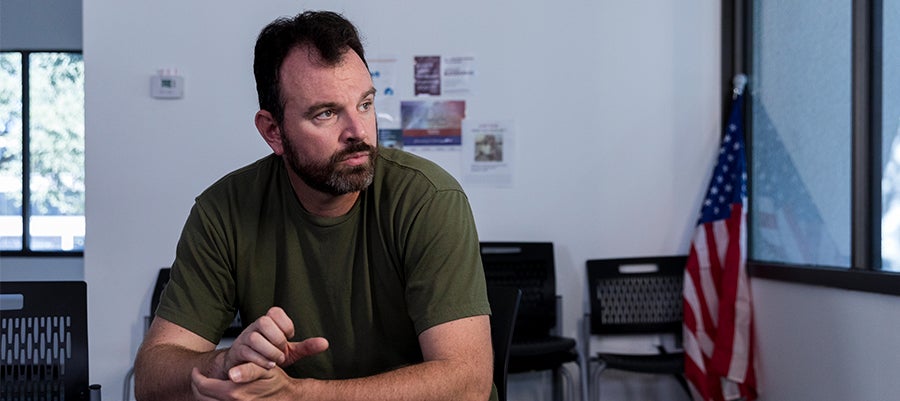
Everybody faces hardships in life, but sometimes we experience or witness something frightening, painful or deeply upsetting that stays with us long after the event itself has passed. For some people, these experiences can lead to post-traumatic stress disorder, better known as PTSD.
With Veterans Day this month, November is a good time to revisit this complex disorder – one that many veterans live with after experiencing trauma during military service – but PTSD isn't limited to those who have served in the armed forces. It can affect anyone who has experienced or witnessed a traumatic event, from a serious accident or natural disaster to violence or abuse.
If someone you care about is living with PTSD, you may be curious about how you can help them. What are some things you should say or do? What shouldn’t you do? And how can you offer support without making things more difficult? You’ll find answers to these questions below as we explore some ways you can help someone navigate PTSD.
What Is PTSD?
PTSD is a mental health condition that some people develop after experiencing or witnessing a traumatic event. It’s normal to feel anxious, upset or unsettled afterward. With PTSD, symptoms last longer than a month and interfere with daily life. Symptoms can look different from person to person, but they may include:
- Intrusive memories:Unwanted thoughts, nightmares or flashbacks that make someone feel as though they're reliving the experience.
- Avoidance: Steering clear of people, places, conversations or activities that bring up memories of the trauma.
- Changes in mood: Feelings of guilt, fear, sadness, anger or emotional numbness.
- Feeling on edge: Being easily startled, having trouble sleeping or feeling constantly alert to potential danger.
Someone I Know Has PTSD. How Can I Help Them?
Everyone is different, and there isn't a magic phrase that makes PTSD disappear. But if you know or suspect that someone is living with PTSD, there are small, thoughtful actions you can take that may make a meaningful difference. Here are some ways you can help:
- Listen without judgment. If someone chooses to open up, give them space to share their feelings without trying to fix everything. You don't need to have all the answers. Sometimes, saying "I'm here for you" or "I'm glad you told me" is enough. Avoid pressuring someone to talk about what happened if they aren't ready.
- Learn what PTSD can look like. Understanding common symptoms can help you recognize why someone might withdraw from social activities, become irritable or seem unusually alert in certain situations. These behaviors may be related to what they're experiencing, rather than a lack of interest in you or the people around them.
- Ask what support looks like to them. Everyone's needs are different. One person might appreciate company, while another may need quiet time or help with everyday tasks. Rather than assuming what would be helpful, try asking, "Is there anything I can do to make things easier today?"
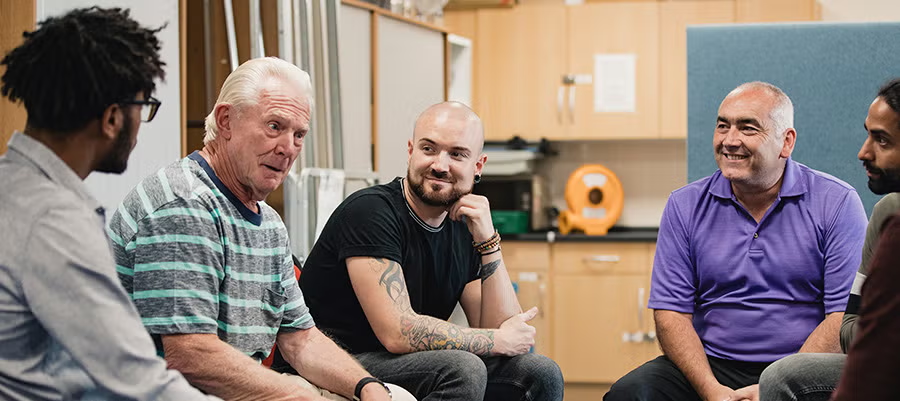
- Encourage professional support. PTSD is treatable, and effective therapies can help people manage symptoms and improve their quality of life. You might offer to help someone find a provider, schedule an appointment or accompany them to a visit. Be supportive without making them feel pressured or ashamed.
Is There a Wrong Way to Help Someone With PTSD?
Good intentions don't always translate into helpful words. Telling someone to "just move on," minimizing what happened to them or comparing their experience with someone else's can leave them feeling misunderstood. Avoid pushing them to revisit traumatic memories or suggesting that they should be over it by now.
It's also important to respect boundaries. If someone needs space, give them room while reminding them that you're available when they're ready. And if a situation seems overwhelming, don't touch or crowd the person without checking whether they're comfortable with it.
Is There Anything Else I Should Consider?
Supporting someone with PTSD can be emotionally challenging, especially when you’re close to them or worried about their health or safety. Make time for your own needs, maintain healthy boundaries and seek support if you need it. You can care deeply about someone without being responsible for treating their condition.
Moving Forward Together
Your patience, understanding and encouragement can help someone with PTSD feel less alone. You don’t need to have all the answers. If you or someone you care about is struggling, a healthcare provider can help connect you with treatment and support. To learn more about AtlantiCare’s mental health services, visit AtlantiCare.org/BehavioralHealth.
Related Articles

The Stuff That Happens When You’re Stuffed
 Featured
Why "Awareness" is Not Enough