The Science Behind Getting Spooked
What Happens to Our Bodies When We're Scared?
October 7, 2026
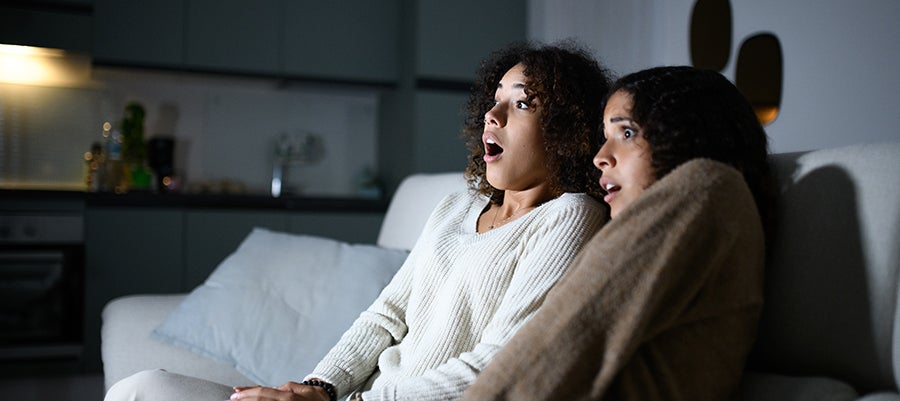
Whether you love a good scare or would rather keep the “boos” at bay, something reactive happens inside our bodies when we’re frightened. Maybe your heart starts racing or your palms get sweaty. Maybe you’re ready to bolt right out the door – even if you subconsciously know that the "danger" is nothing more than someone wearing a silly mask.
Why do our bodies react this way? What happens, biologically, when we’re scared? And why do some people actually seem to enjoy being scared? With Halloween fast approaching, now’s a perfect time to explore these eerie theories. Let’s take a closer look at science behind being spooked… if you dare!
Your Body's Built-In Alarm System
Fear is your body's natural response to a perceived threat. When your brain senses danger, it sends out an “alert” to the rest of your body. This alert activates your sympathetic nervous system and triggers what's known as your fight-or-flight response, which is designed to help you react quickly in situations where you might need to protect yourself.
When this happens, your adrenal glands release adrenaline and other hormones that can cause changes throughout your body, including:
- An increased heart rate, to pump more blood to your muscles.
- Faster breathing, to help deliver more oxygen.
- Dilated pupils, to help you take in more visual information.
- Tensed up muscles, preparing you to move quickly.
- Sweating, to help regulate your body temperature.
- Slowed digestion, as your body focuses its energy on responding to the threat.
In other words, fear is an alarm that tells the rest of your body: “Something's happening. Everyone get ready!"
Fight, Flight or Freeze?
Your body’s reaction to fear is called the "fight-or-flight" response, but being scared doesn't always make us either run or fight. Some people may also “freeze” when they're frightened.
These responses are all part of the body's attempt to protect you. Whether you run, stand your ground or momentarily freeze, your brain is rapidly assessing the situation and determining how to respond. Once your brain recognizes that the threat has passed, the body's calming systems begin to take over. Your heart rate and breathing gradually return to normal, your muscles relax and that surge of adrenaline starts to wear off.
Why Do We Like Being Scared?
If fear is designed to protect us from danger, why would anyone willingly seek it out?
That post-scare feeling can be pretty intense, which may help explain why some people find it exciting. When you experience a scare in a safe environment, like while watching a scary movie, riding a roller coaster or walking through a haunted house, your body can still produce many of the same physical responses. Your heart may race and adrenaline may surge, but your brain also knows you're not actually in danger.
Once the scare is over, you may experience a sense of relief or even excitement. For some people, that combination of adrenaline and knowing they're safe can make the experience enjoyable. There's also the appeal of doing something thrilling with other people: screaming with friends during a movie or making your way through a haunted attraction together can turn fear into a shared, fun experience.
What’s the “Right” Amount of Fright?
If the thought of a haunted house sounds like a great Friday night to one person but someone else would rather stay home with the lights on, that's perfectly normal. People respond to scary experiences differently. Personality, past experiences and individual preferences can all influence how someone experiences fear and excitement. There's no right or wrong way to feel scared. Your brain and body are simply responding to what they perceive as a threat — real or otherwise.
Our fear response can be helpful when we’re reacting to a real threat, but it’s not healthy to feel stressed or afraid all the time. If fear, anxiety or stress is interfering with your sleep, relationships, work, school or daily activities, talk with a healthcare provider. They can help you understand what's causing those feelings and connect you with appropriate support if needed.
Healthy Haunting!
This month, take a moment to appreciate just how much unseen work your body does when things go “bump” in the night. That racing heart and sweaty palms aren't random responses — they're part of an incredibly complex system designed to help keep you safe.
Related Articles

Vitamins and Supplements: Myths and Facts

Spotlight on Skeletons