Spotlight on Skeletons
Why a Strong Foundation Starts With Healthy Bones
October 7, 2026
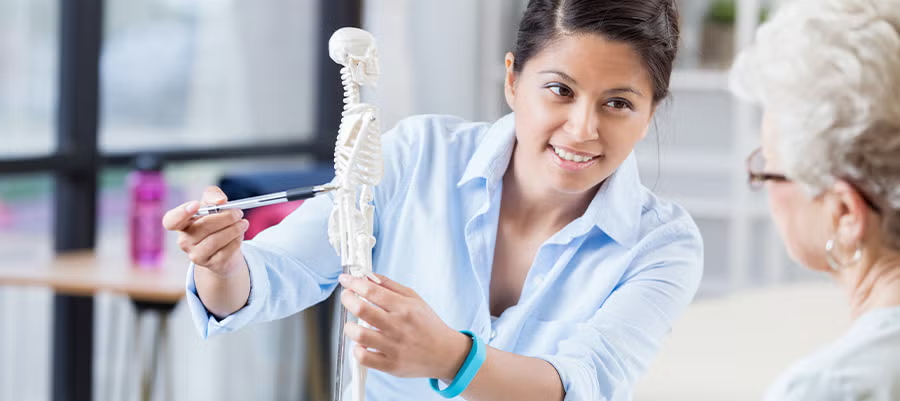
They’re creepy enough to deck the halls with at Halloween. They can be found in graveyards, on the flags of pirate ships and in some zombie movies. And if you’re reading this, there’s one inside of you right… now.
We’re talking, of course, about skeletons!
You might think about skeletons more frequently this time of year – the “spooky” kind, at least – but what about the ones that hold us upright all day, every day? Our bones are vital to our health, providing us with structure, protecting our organs and helping us move and store important minerals our bodies need. And just like the rest of our bodies, they change as we age, and so does our risk of things like osteoporosis and fractures.
And yet, outside of breaks and aches, your bone health might not always be top of mind. The good news is that there are simple steps you can take today to help keep your bones strong and healthy for many “spooky seasons” to come. Let’s crack into some bone health basics below.
How Do Bones Change With Age?
Your bones may seem solid and inanimate, but they're actually living tissue that is constantly being broken down and rebuilt. When you're young, your body generally builds new bone tissue faster than it breaks down old tissue, helping you develop strong, dense bones as you grow.
As you get older, though, that balance begins to change. Bone loss can gradually outpace bone building, causing them to become thinner and less dense. This process can happen slowly, meaning you may not notice any changes until a fracture or other problem occurs. Bone loss tends to accelerate around menopause for women because of changes in estrogen levels. Men also experience bone loss as they age, although it generally happens more gradually.
That's why taking care of your bones isn't just something to worry about when you’re older: the habits we develop today can help support stronger skeletons for years to come.
Building Healthy Bones
Some of those bone-bracing habits are pretty simple – and might be things you’re already doing. For example, regular physical activity and a balanced diet are two important pieces of the puzzle.
Weight-bearing and resistance exercises can help strengthen bones and the muscles that support them. Walking, jogging, dancing, climbing stairs, lifting weights and other strength-training activities are also examples of exercises that can help support bone health.
It's also important to make sure your diet provides the nutrients your bones need. Calcium is essential for maintaining strong bones, while vitamin D helps your body absorb calcium. Dairy products, leafy green vegetables, fortified foods and certain types of fish can provide calcium, while vitamin D can be found in foods such as fatty fish and fortified milk and cereals. Your healthcare provider can help you determine whether you need additional supplements based on your individual needs.
And don't forget the other healthy habits that support your overall health: not smoking, limiting alcohol and maintaining a healthy weight can also help protect your bones in the long run.
Understanding Your Osteoporosis Risk
Osteoporosis is a condition that causes bones to become weak and more likely to break. Because bone loss often happens without noticeable symptoms, osteoporosis is sometimes called a "silent" disease.
Anyone can develop osteoporosis, but certain factors can increase your risk. Your risk may be higher if you:
- Are older
- Are a woman, particularly after menopause
- Have a family history of osteoporosis or fractures
- Have a smaller body frame
- Have had a previous fracture
- Have low levels of calcium or vitamin D
- Smoke or drink excessive amounts of alcohol
- Take certain medications that can contribute to bone loss
- Have certain medical conditions that affect bone health
Because osteoporosis often doesn't cause symptoms, you can't always tell whether your bones are becoming weaker. That's why knowing your risk can help you and your healthcare provider determine whether you need additional screening. For some people, a bone density test can help identify low bone density and determine whether treatment or other preventive measures may be appropriate. Your provider can also help you create a plan based on your age, medical history, medications, family history and other individual risk factors.
Strong Bones, Strong Foundation
Bone health might not feel as important as things like heart or lung health, but in many ways, your bones are the infrastructure that holds all your most important bits together. After all, there’s a reason why they say that houses with strong foundations have “good bones.” By maintaining an active lifestyle, eating a varied and balanced diet, and knowing your osteoporosis risk, you can help keep your skeleton strong and sturdy at every stage of life… maybe even the afterlife!
Related Articles

Vitamins and Supplements: Myths and Facts

The Science Behind Getting Spooked